
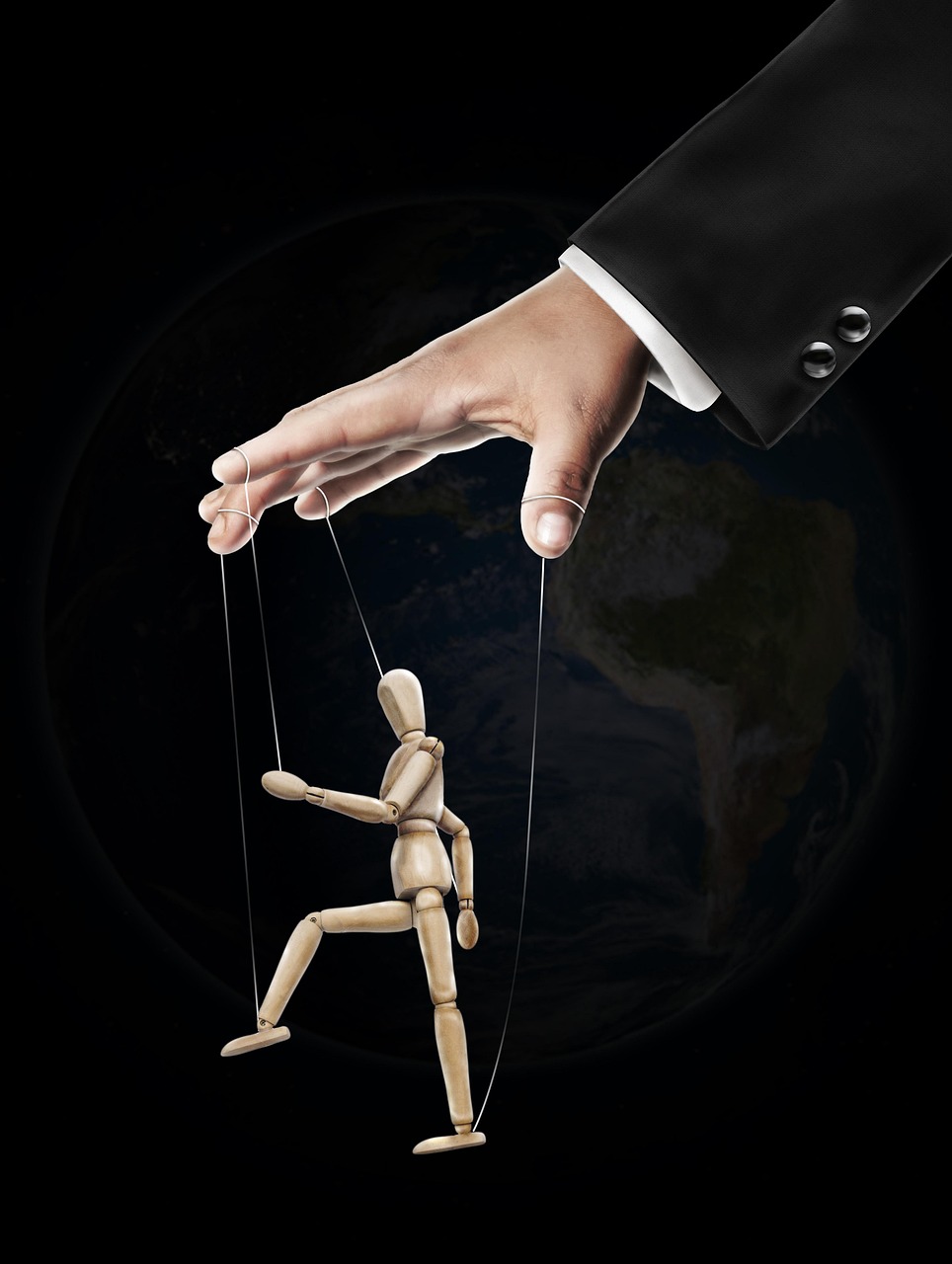
Do we actually choose anything freely—or are we just watching decisions bubble up from our brains and pretending we’re in charge?
The question of free will isn’t just philosophical fluff. It underpins everything from our criminal justice system to religion, morality, and personal responsibility. Yet science has increasingly thrown doubt on the idea that we truly choose anything at all.
From ancient philosophers like Aristotle to modern neuroscientists like Benjamin Libet, the debate over free will has evolved—but the stakes remain sky-high. If free will does not exist, what does that say about punishment, ethics, or even love?
The Neuroscience of Decision-Making
Libet’s now-famous experiments in the 1980s showed that brain activity precedes conscious decisions. That is, the brain decides before you do. Later research by John-Dylan Haynes pushed this even further, predicting people’s decisions up to 10 seconds before they were aware of them.
To many, this suggested that free will is an illusion—a feeling that trails behind unconscious processes already in motion.
But not all scientists are convinced. Papanicolaou argues that just because neural activity comes first doesn’t mean it’s the cause of your choice. And even if your brain lights up before you become aware of a decision, does that automatically mean you’re not involved in the process?
Genes, Biology, and “Options”
Behavioral genetics adds another twist. Studies show that many traits—risk-taking, temperament, even political leanings—are shaped by our genes. Kormas and others argue that brain activity is governed by biological laws, meaning our “choices” are often constrained by factors we didn’t choose.
But this doesn’t mean we’re robots. Brembs offers a more nuanced view, arguing that animals—including humans—exhibit “spontaneous actions” not directly traceable to input-output patterns. In other words, we may not be entirely free, but we’re not entirely determined either.
Trivial vs Meaningful Choices
As Scientific American points out, most studies that question free will focus on trivial decisions—like when to push a button. But that’s not the kind of freedom we care about. The big, meaningful decisions—whether to end a relationship, confess a lie, or change careers—happen in complex, reflective ways. These involve memory, identity, ethics, and long-term goals.
In these moments, we aren’t reacting like automatons—we’re pausing, reflecting, considering consequences. That process, even if influenced by biology and experience, still feels fundamentally different from pushing a button. And maybe that’s where real free will lives—not in the instant, but in the deliberation.
Why Belief in Free Will Still Matters
Regardless of what the science says, most people still believe in free will. And that belief has real consequences.
Studies by Baumeister and Alquist show that when people are told free will doesn’t exist, they’re more likely to lie, cheat, conform, and act selfishly. Believing you’re not responsible tends to make you less responsible.
So even if free will is partially an illusion, it may be a useful one—something we need to believe in order to cooperate, build societies, and hold people accountable.
So… Do We Have Free Will?
Science hasn’t debunked free will—but it has reshaped the concept.
We are not free in the absolute sense. We’re shaped by genes, brain chemistry, upbringing, and context. But we’re also capable of stepping back, evaluating, and choosing paths that weren’t strictly determined. Not always, but sometimes. And maybe those moments—when we reflect, resist, change— are our free will.
In the end, free will might not be about total freedom, but about meaningful freedom —not being able to do anything, but being able to do something that matters.




 The Griffith Journal
Leave a comment